Best time to visit Club Wyndham Kona — month by month
Best months depend on what you want: mid-December through mid-April is prime for whale watching and clear winter snorkeling, while late May–early June and late November offer reliably dry weather and comfortable crowds. September–October is the warm, lower‑crowd shoulder season with good value; note Club Wyndham Kona uses 7-night booking blocks and a minimum check‑in age of 21 when planning travel dates.
In this guide
- January–February: Whale season and cooler trade‑winds
- March–April: Transition to drier weather and good snorkeling
- May–June: Early dry season and comfortable crowds
- July–August: Warm water, summer travel and island activity
- September–October: Shoulder season — warm, lower crowds, better value
- November–December: Trade winds pick up, holiday demand rises
January–February: Whale season and cooler trade‑winds
These months fall inside the mid-December through mid‑April humpback whale season, so boat tours from Kailua‑Kona offer strong chances to see whales. Water visibility for snorkeling is generally good and water temperatures run in the mid‑70s to upper‑70s °F.
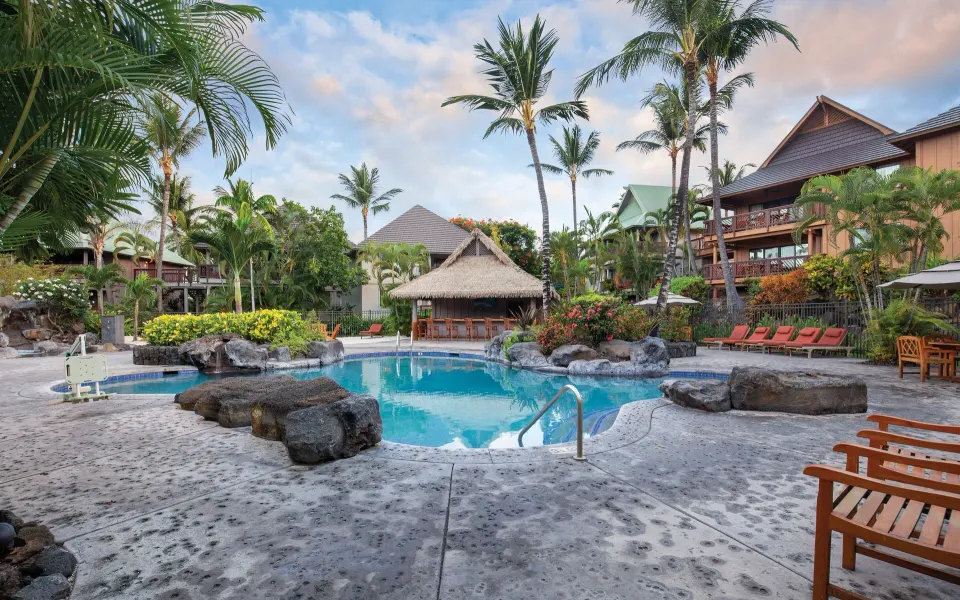
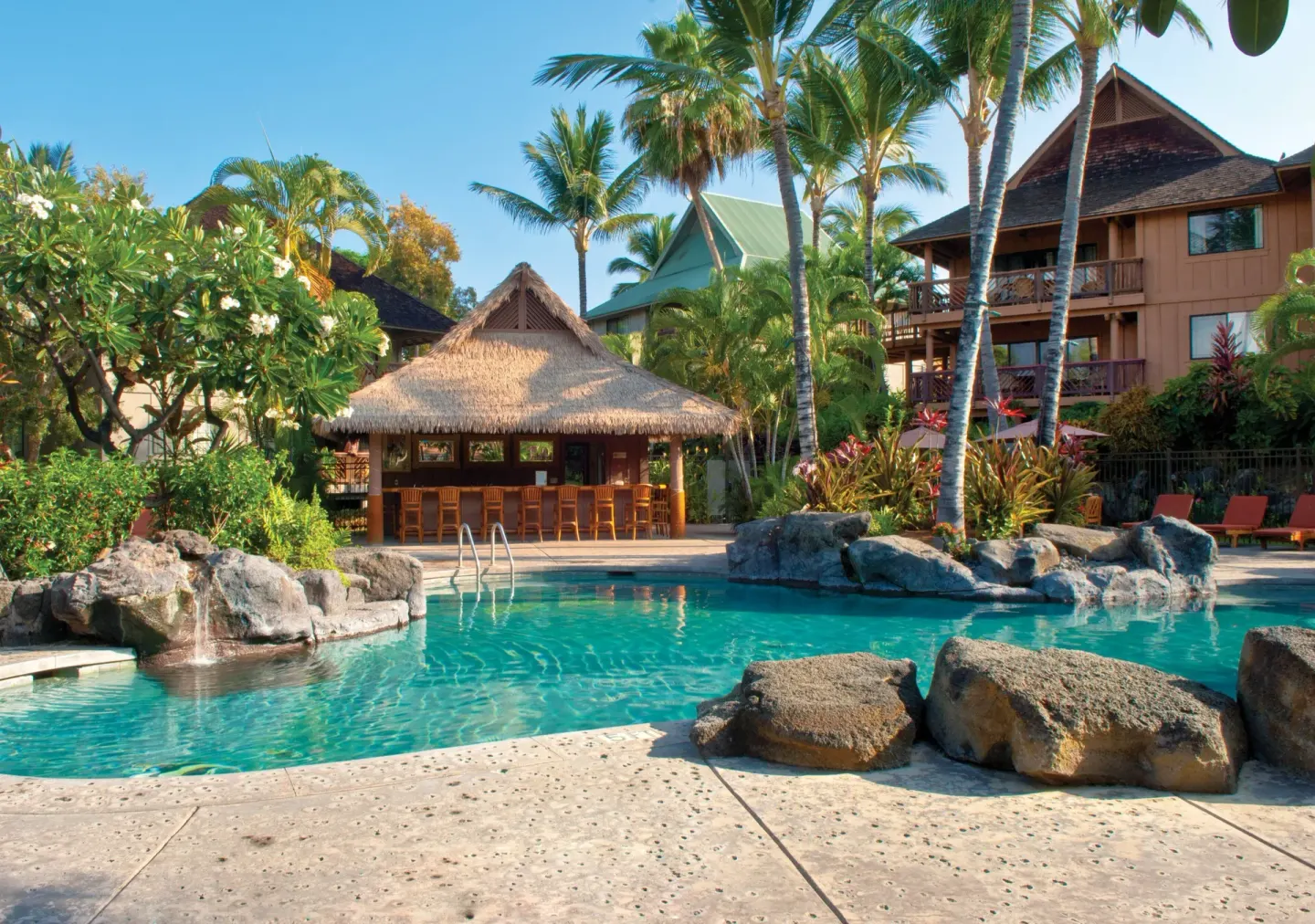
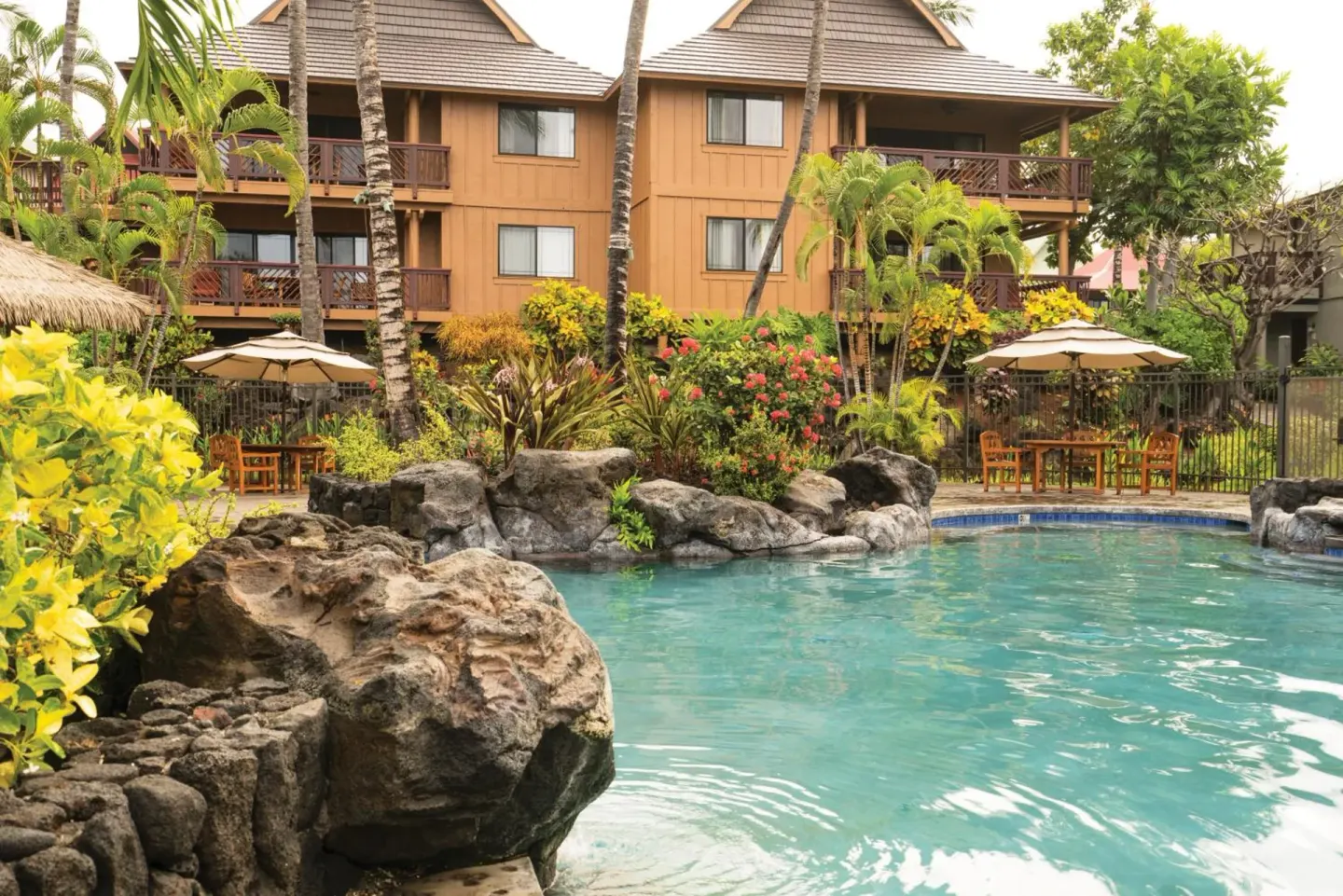
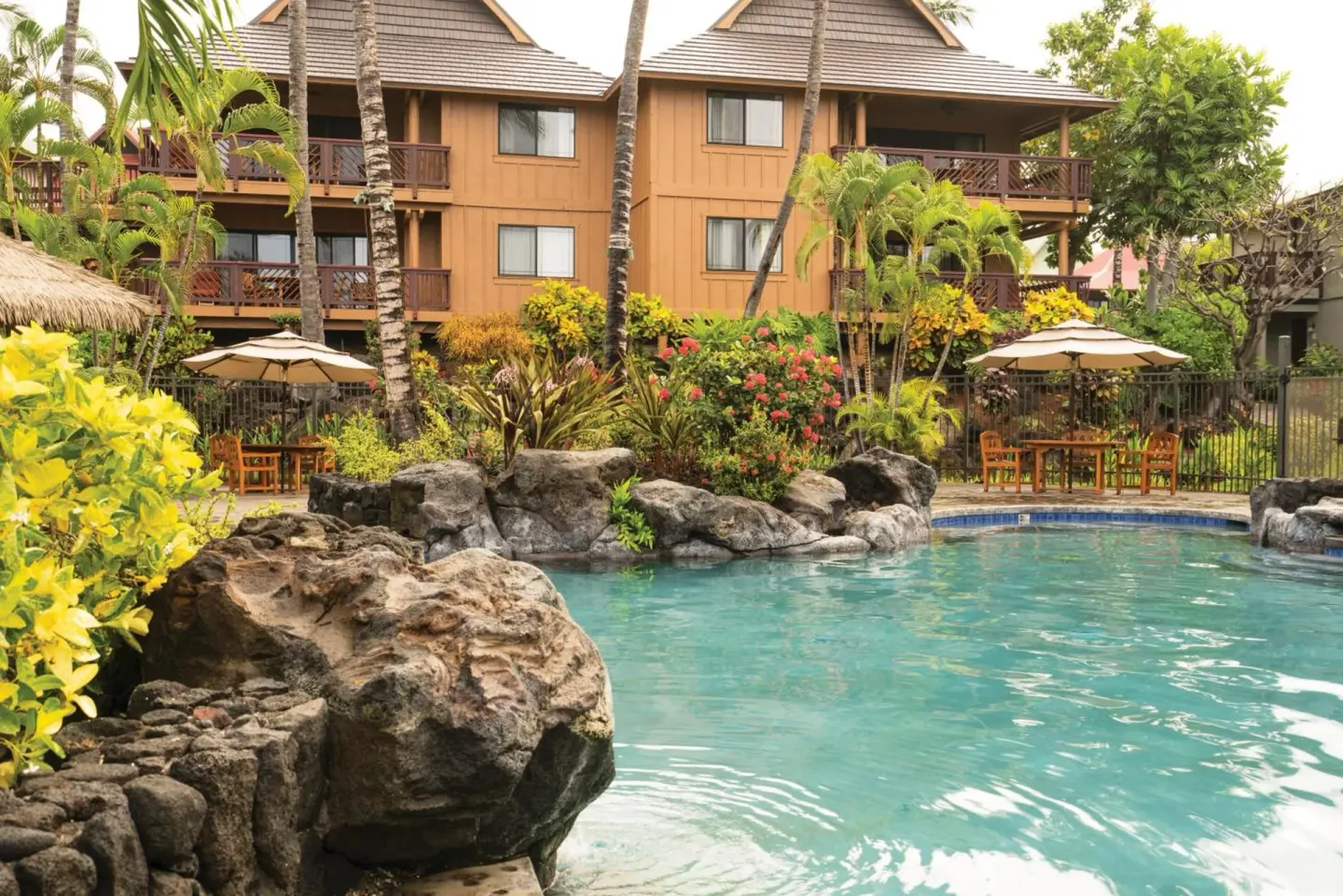
Expect more rain than summer months (this is part of Kona’s wetter season), but many days remain sunny. Pools, hot tubs and on-site facilities remain open year‑round; the resort has two outdoor pools and two hot tubs (photo 34).
- Whale-watching and evening manta-ray trips are widely available from nearby harbors.
- Book boat tours early—seats sell out in high winter travel windows.
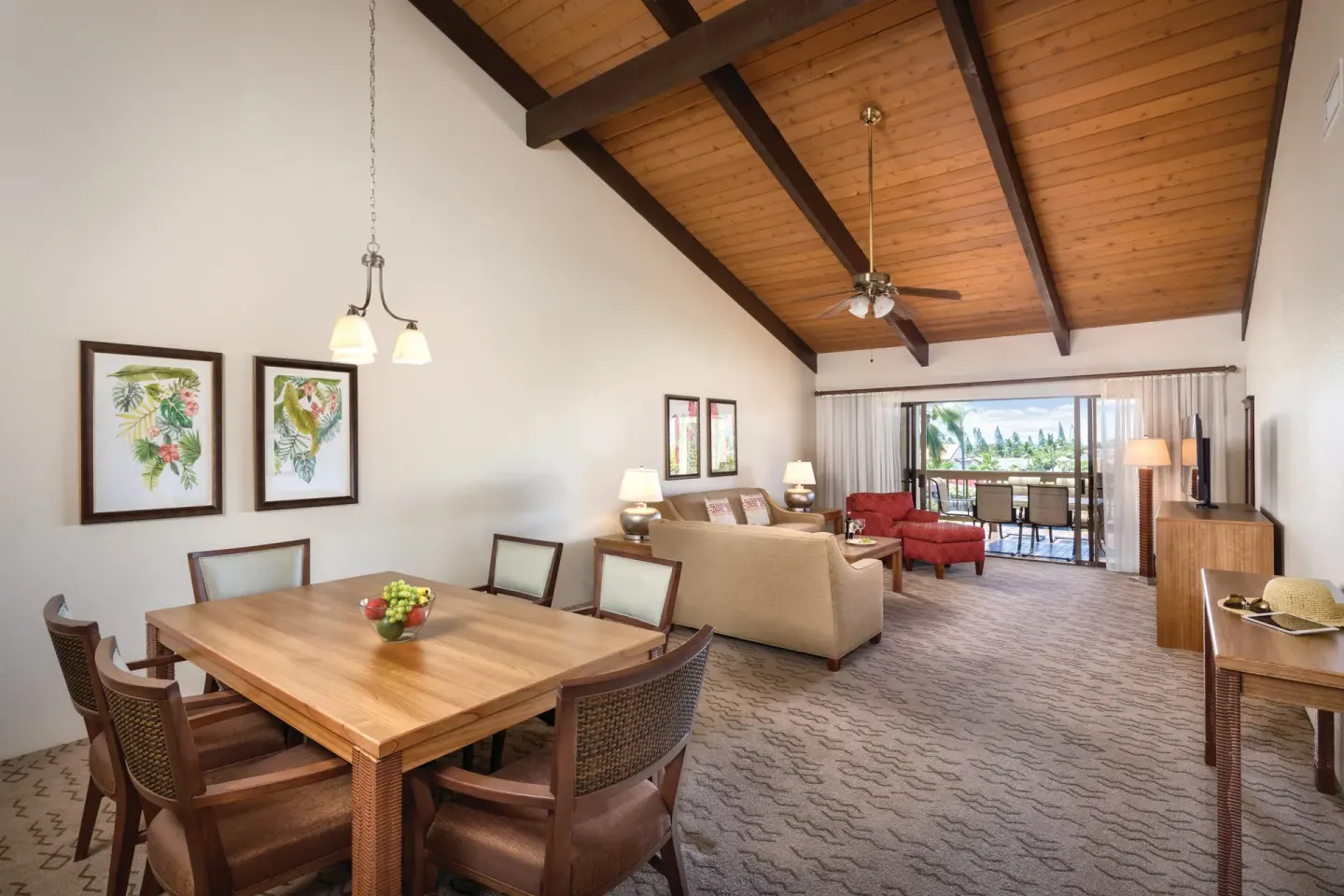
- Suites: Bungalow, 2 Bedrooms includes full kitchen and in-unit laundry useful for longer winter stays.
| Travel tip | Why it matters |
|---|---|
| Plan shore excursions on calmer mornings | Afternoon winds can cloud nearshore water |
| Bring a light rain jacket | Short showers are common during wetter season |
| Reserve whale‑watching boats early | High demand mid-Dec–mid‑Apr |
March–April: Transition to drier weather and good snorkeling
March is among the wettest single months statistically, but late March into April trends drier as the wet season wanes. Visibility for snorkeling at Kahalu‘u and Magic Sands often improves as winter swell subsides.
If you want fewer crowds than winter holidays but still good marine life viewing, late April is a strong choice. Remember the resort enforces 7‑night reservations with arrivals/departures on Friday, Saturday or Sunday, so plan your dates accordingly.
- Book early for spring breaks if traveling in March.
- Morning beach visits give clearer water; Kona beaches often cloud over in afternoons.
- Use the full kitchen in the Bungalow, 2 Bedrooms to self-cater if nearby restaurants are busy.
| Month | Typical conditions |
|---|---|
| March | Variable—higher average rainfall |
| April | Turning drier; good outdoor conditions |
May–June: Early dry season and comfortable crowds
Late May through early June marks the start of Kona’s longer dry stretch; June averages some of the lowest rainfall. These months are good for beach days, snorkeling and Kona coffee tours with warm, stable weather.
Crowds are moderate compared with summer and winter holidays; rates and availability can be easier than peak winter. Pool hours and fitness facilities are available for guests; there’s also barbecue and picnic areas if you prefer cooking at your condo.
- June often has the least rain: plan beach mornings for clearest snorkel conditions.
- Ideal time for day trips to Kealakekua Bay (boat or kayak required) or coffee farm visits.
- The resort’s Bungalow, 2 Bedrooms includes a full kitchen — handy for families and longer stays.
| Why May–June | Benefit |
|---|---|
| Drier weather | More reliable beach/snorkel days |
| Moderate crowds | Easier availability than winter |
July–August: Warm water, summer travel and island activity
Summer brings the warmest sea temperatures of the year (water often peaks near 81°F in September but is warm through late summer). Expect regular sunny days with occasional short showers typical of tropical climates.
This is a popular time for families to travel. If you need to travel on a specific day, remember bookings are in weekly blocks and arrivals/departures are limited to Friday, Saturday or Sunday, which affects when you can start a 7‑night stay.
- Snorkeling and beach activities are excellent in the mornings.
- Pack reef‑safe sunscreen and reef shoes for rocky entry points like Kahalu‘u Beach Park.
- Reserve any paid excursions (manta snorkels, boat trips) in advance for busy summer windows.
| Consideration | Advice |
|---|---|
| Crowds | Book early for summer weeks |
| Sea temps | Warm and pleasant for swimmers |
September–October: Shoulder season — warm, lower crowds, better value
September and most of October are the commonly cited shoulder season for Kona: weather tends to stay warm and dry, and visitor numbers drop after peak summer. That makes these months a good option for lower rates and quieter beaches.
This shoulder window is also useful if you want to avoid mid‑October events or the busy fall lead‑ins to Kona’s IRONMAN World Championship period; check event timing before booking. Morning snorkeling remains the clearest.
bullets
- Good-value window with warm sea temperatures and fewer crowds.
- Morning beach or snorkel trips recommended for best clarity.
- Confirm your arrival day fits the resort’s Friday/Saturday/Sunday check‑in rule.
| Shoulder-season wins | Details |
|---|---|
| Lower crowds | Easier beach access and restaurants |
| Warm water | Great for snorkeling without summer crowds |
November–December: Trade winds pick up, holiday demand rises
Late November brings a return to drier trade‑wind patterns, and late November through early April is often recommended for general outdoor activities. Early December can be a quieter extension of the shoulder season; by mid‑December whale season begins and demand rises.
If traveling over year‑end holidays, book well in advance. The resort has no on‑site restaurant, so plan meals around the full kitchen in the Bungalow, 2 Bedrooms or local dining options nearby (Honl’s Beach, Kailua Pier area).
- Mid‑December starts whale season — good for boat excursions.
- Expect higher demand over Christmas and New Year’s; reserve activities early.
- Free self‑parking is available if you plan to rent a car for island drives.
| Month | What to expect |
|---|---|
| November | Drying trend; later-month trade winds |
| December | Whale season begins; holiday demand increases |